Tourism
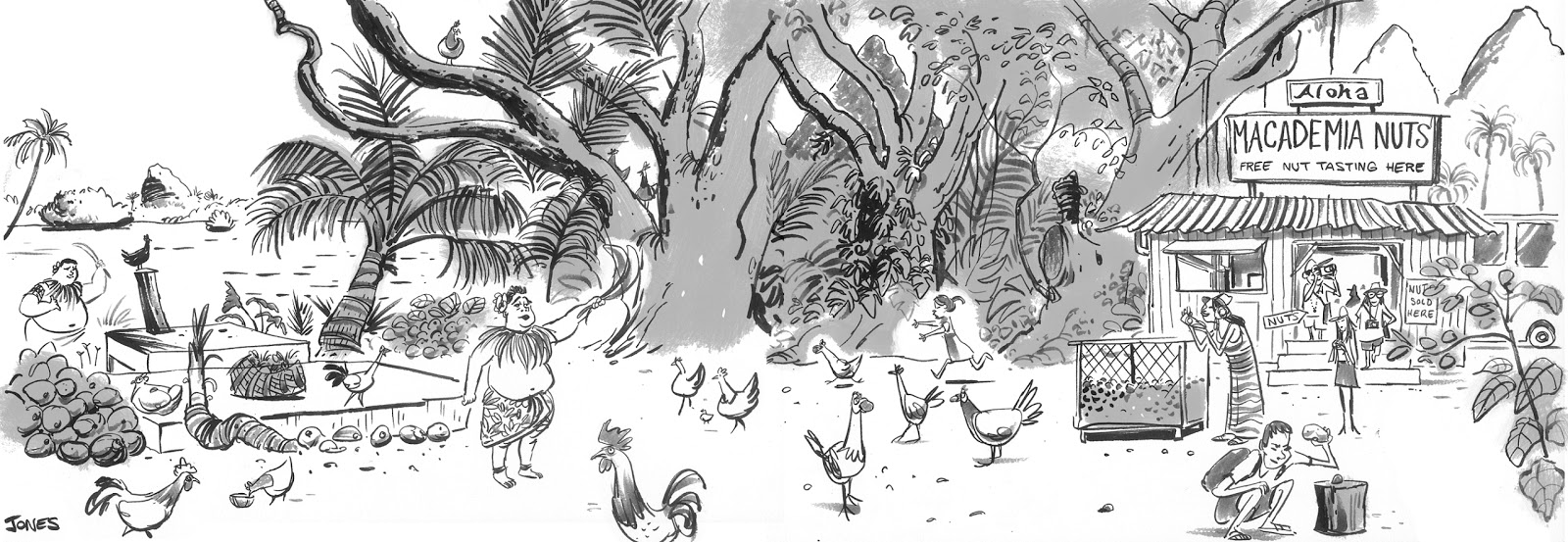
Tourism is travelling for recreation. Tourists originated when large numbers of middle class people began to join the more wealthy aristocratic travellers. As societies became wealthier, and people lived longer, it became more and more likely that lower-middle class and middle class people steadily employed would retire in good health and with significant savings.
A tourist can usually be seen as clearly “out of place” in his current surroundings, so he is not confused with other travellers. The term “tourist” is tied to the activity of taking a tour or sightseeing. It is not limited to travelling, but used as a description of a person who enters a situation or culture, for a brief time, requiring knowledge that he does not have.
The tourist can be interested – among other things – in the new place’s culture or its nature. Wealthy people have always travelled to distant parts of the world, not, for any special purpose, but simply for travelling as an end in itself: to see great buildings or other works of art; to learn new languages; and to taste new cuisines.
Organized tourism is now a major industry around the world and many national economies are now heavily reliant on tourism.
The term tourism is sometimes used in an uncomplimentary manner, implying a shallow interest by tourists in general in the societies and natural wonders they visit.


Comments