Titanic
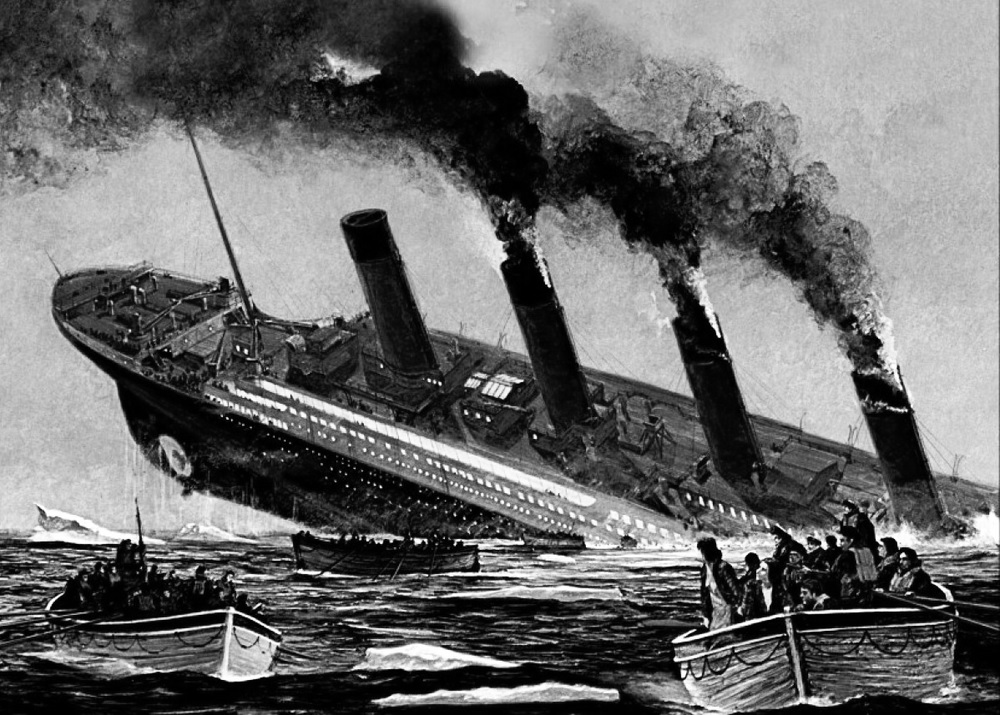 On 15 April 1912, the Titanic – at that time the world’s largest and most luxurious ocean liner – disappeared into the icy depths of the North Atlantic. Some 1,500 people died – more casualties than in any other marine disaster in peacetime history. After striking a huge iceberg, the 46,500-ton vessel sank in less than three hours. Lloyd’s of London, the firm which had insured the Titanic, had reasoned that the probability of such an event was one in a million. At 11:40 pm on the evening of the disaster, the lookout on the Titanic’s bridge saw an ominous shape ahead. “Ice! Dead ahead!” he shouted. The helm was turned hard over and the engines were reversed, but it was too late. A 300-foot gash was ripped along the side of the Titanic’s hull as though it were made of tin. If the lookout had not sighted the iceberg and the helmsman not turned the wheel, the Titanic would probably have struck the iceberg head-on. It is then likely that only the bow sections of the ship would have been flooded and, though seriously crippled, she would have remained afloat.


Comments