Swimming birds of the Antarctic
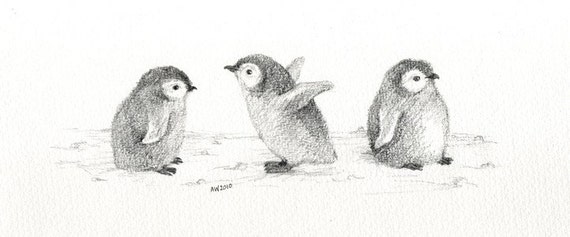 Penguin ancestors could fly as well as any other sea bird. Now its wings are short, paddle-like flippers that are entirely useless for flight. The bird has lived for ages in or near the Antarctic regions, where it has few enemies. Thus it came to spend all of its time on land or in the water. For generations it did not fly. In the course of evolution, its wings became small and stiff and lost their long feathers. The penguins, however, became master swimmers and divers. Of all birds, they are the most fully adapted to water. Their thick coat of feathers provides a smooth surface that is impenetrable to water. Their streamlined bodies glide through the water easily. The birds use their wings as swimmers use their arms in a crawl stroke, and they steer with their feet. Penguins can swim at speeds of more than 25 miles per hour. When they want to leave the water, they can leap as much as 6 feet from the water’s surface onto a rock or iceberg.


Comments